

Pulsara
27 Case Studies
A Pulsara Case Study
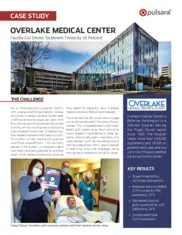
Overlake Medical Center, a 349-bed Joint Commission–certified Advanced Stroke Center that treats roughly 900 acute stroke cases a year, faced delays and noisy, untargeted alerts that pulled unnecessary staff away and failed to notify key specialists in real time. To streamline time-sensitive stroke workflows, Overlake implemented Pulsara, an advanced healthcare communication platform to provide a single, secure channel for activating and coordinating stroke teams.
Using Pulsara, ED physicians now instantly notify the right team members—imaging techs, neurologists, and cath lab staff—on their mobile devices and can even connect patients with families via live video, enabling faster, coordinated decisions. As a result, Overlake reduced door-to-needle times for TPA by 31% (from 45 to 31 minutes) and cut door-to-groin puncture times for LVOs by 24% (from 106 to 81 minutes, with some cases under 65 minutes), effectively cutting overall stroke treatment times by about 30% and positioning the hospital to expand Pulsara to EMS and other case types.
27 Case Studies